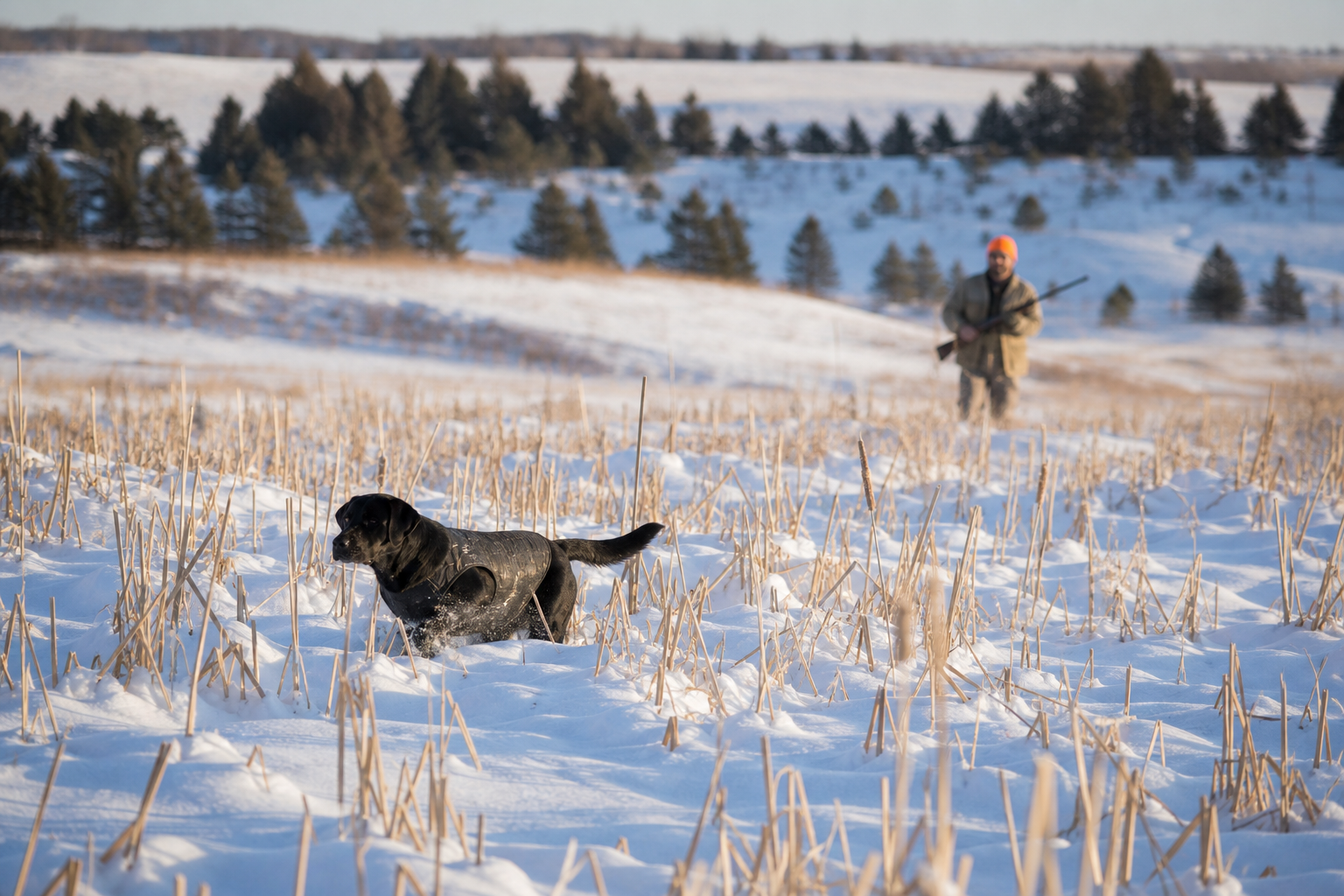
Late-Season Pheasant Hunting: Tactics for Winter Roosters
By the time late November rolls around and the first substantial snow blankets Spink County, the South Dakota ringneck pheasant changes its entire game plan. The naive young roosters of October are gone, replaced by long-spurred, battle-tested birds that have heard every boot step, truck door slam, and dog whistle for two solid months. Hunting these late-season survivors requires an entirely different tactical mindset, specialized dog handling, and an understanding of how extreme cold alters prairie habitat.
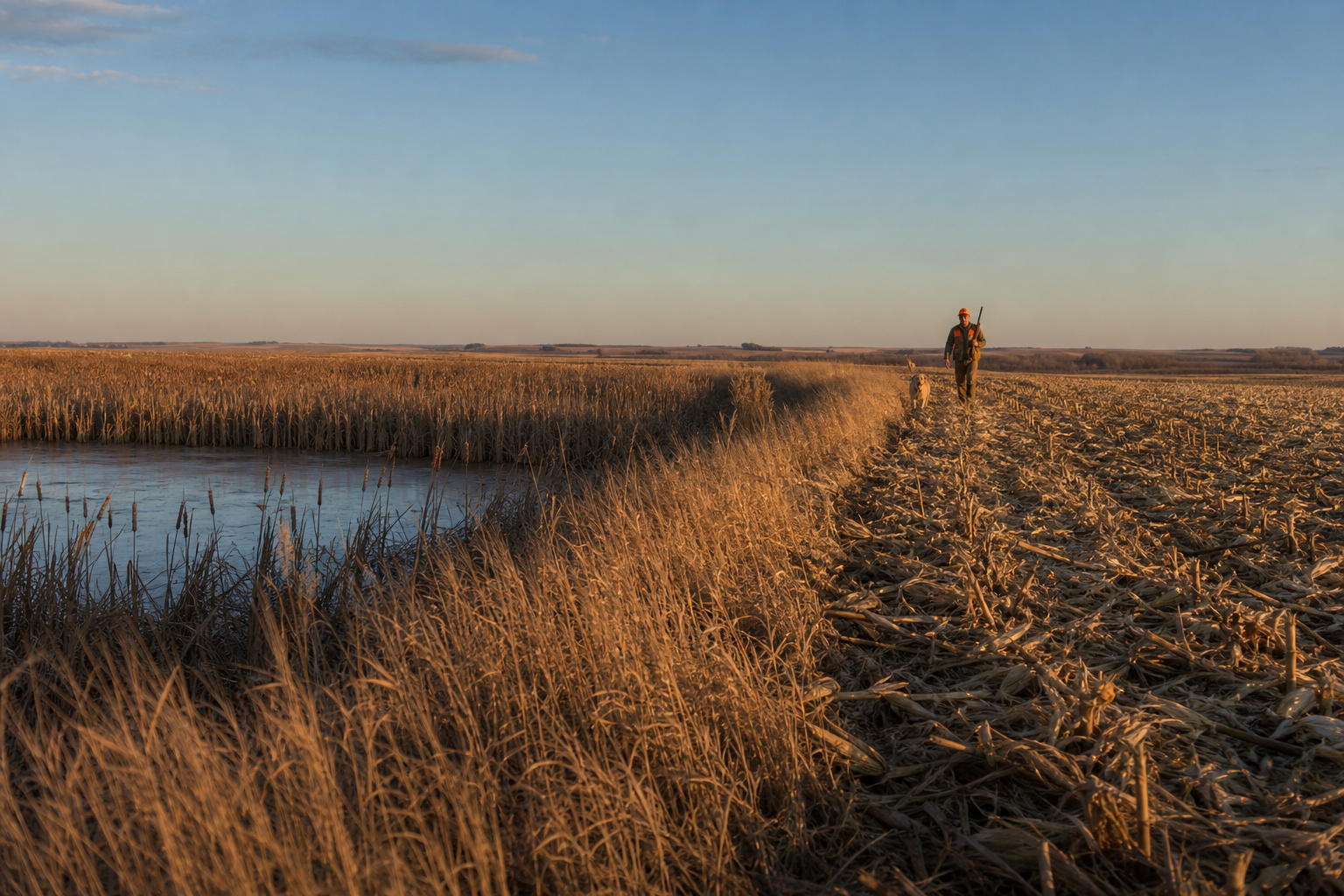
Here in the James River lowlands just beneath the Coteau des Prairies, winter transforms the landscape into a masterclass in upland survival. Birds congregate in massive flocks, trade scattered roosting cover for dense thermal shelter, and flush at the slightest whisper of human presence. If you want to bag late-season roosters, you cannot run early-season drives; you must adapt your approach to match the severe conditions and refined instincts of winter game.
How Late-Season Pheasant Behavior Changes on the Prairie
To hunt winter roosters effectively, you first have to understand what drives their decision-making. In October, pheasants are dispersed across thousands of acres of harvested grain stubble, weed patches, and shallow grass fields. Food is abundant everywhere, temperatures are mild, and family broods haven't yet felt sustained hunting pressure.
When December arrives, two major shifts occur: thermal necessity and educational pressure. Sub-zero temperatures, howling winds, and snow cover force birds to prioritize heat conservation above all else. At the same time, weeks of pressure have taught them that humans walk in straight lines, talk loudly, and push cover toward open field edges.
### The Shift from Scattered Cover to Concentrated Survival Zones Late-season roosters abandon thin cover entirely. They will no longer waste energy sitting in knee-high native grass or sparse weed lines where cold winds strip their core heat. Instead, they pool together in high-density wintering habitat. It is not uncommon to see several hundred pheasants burst from a single three-acre cattail slough or a mature shelterbelt.
This concentration works both for and against the hunter. On one hand, vast stretches of prairie will be completely void of birds, leading to quiet stretches of walking. On the other hand, when you locate the right winter structure, the density of game can provide some of the most thrilling shooting of the entire year.
### Why Late-Season Roosters Stop Flushing and Start Running Late-winter roosters are notoriously jumpy. They develop an uncanny ability to hear approach vector noises from hundreds of yards away. Rather than holding tight and hiding, an educated December rooster has two primary defensive plays:
- The Long-Distance Flush: Flushing 80 to 100 yards ahead of the dog line, well out of shotgun range, using the wind to rocket across open country.
- The High-Speed Track Run: Running along frozen ditch bottoms, deer trails, or cattail tunnels, looping back around the line of walkers, and slipping out behind the hunting party undetected.
Understanding these two habits dictates every tactical adjustment you must make in the field.
Reading the Winter Landscape: Cattails, Sloughs, and Thermal Cover
Finding winter birds in South Dakota requires reading the terrain for micro-climates. A three-degree temperature difference or a five-mile-per-hour reduction in wind velocity inside a piece of cover can attract every pheasant within a square mile.
### Decoding Heavy Cattail Marshes Cattail sloughs are the ultimate winter sanctuary in the James River basin. The thick, matted foliage creates an overhead canopy that intercepts snow, while the dense outer stalks break bitter prairie winds. Beneath the snow line, cattails create a labyrinth of insulated tunnels where roosters can stay surprisingly warm.
When hunting cattails in late winter, pay attention to ice conditions. Early in the year, wet mud makes sloughs impassable. Once the ground freezes solid, hunters and dogs can finally penetrate the heart of these marshes. Focus on the transition edges where cattails meet standing food plots or wild sunflower patches. Birds will roost deep in the cattail interior and move to the sunny southern edges during mid-morning to feed and warm up.
### The Role of Multi-Row Shelterbelts and Spruce Belts Tree lines are not all created equal in winter. Thin, single-row shelterbelts that allow wind to blow straight through are virtually useless in December. Look for mature, multi-row shelterbelts that feature dense conifers—such as Eastern Redcedar or Colorado Blue Spruce—on the windward side, paired with deciduous shrubs like caragana or plum thickets on the lee side.
Cedar trees trap blowing snow on their outer branches, creating dry, open ground underneath their lower boughs. Roosters will pack into these dry pockets by the dozens. When pushing a shelterbelt in high winds, always keep your shooters on the downwind side, as pheasants flushing from trees will almost always fly with the wind to escape.
### Food Source Timing: Standing Corn vs. Harvested Stubble In deep winter, a pheasant cannot afford to waste calories searching for sparse grains in buried stubble. They rely heavily on standing unharvested corn, food plots, or concentrated tailing piles near grain storage.
Late-season feeding patterns become highly predictable. Birds rarely leave thermal cover before the sun warms the air mid-morning. They will make a concentrated push into standing corn or food plots between 10:00 AM and 1:00 PM, return to loafing cover during the dead of the afternoon, and make one final rapid feeding run just before dusk.
Tactical Field Formations for Educated Prairie Roosters
Standard early-season tactics—like walking a broad, loose line through open grass—will fail miserably on late-season wild birds. Outsmarting educated roosters requires quiet coordination, tight tactical positioning, and disciplined field management.
### Mastering the Silent Approach Noise is the number one reason late-season hunts fall apart before a single shot is fired. Roosters pick up high-frequency human sounds effortlessly across frozen ground.
* Eliminate Truck Noise: Turn off vehicle engines and refrain from slamming truck doors or tailgates at the edge of the field. Park quarter-mile downwind if necessary and stalk into position. * Silence Gear: Secure loose metallic gear, dog bells, and unbuttoned snaps that clank together in the cold. Use fleece or soft-shell outer garments rather than noisy, swishing nylon shells. * No Talking: Communication between walkers and blockers should be handled entirely through hand signals. The sound of a human voice drifting down a shelterbelt will clear out every bird before you walk fifty yards.
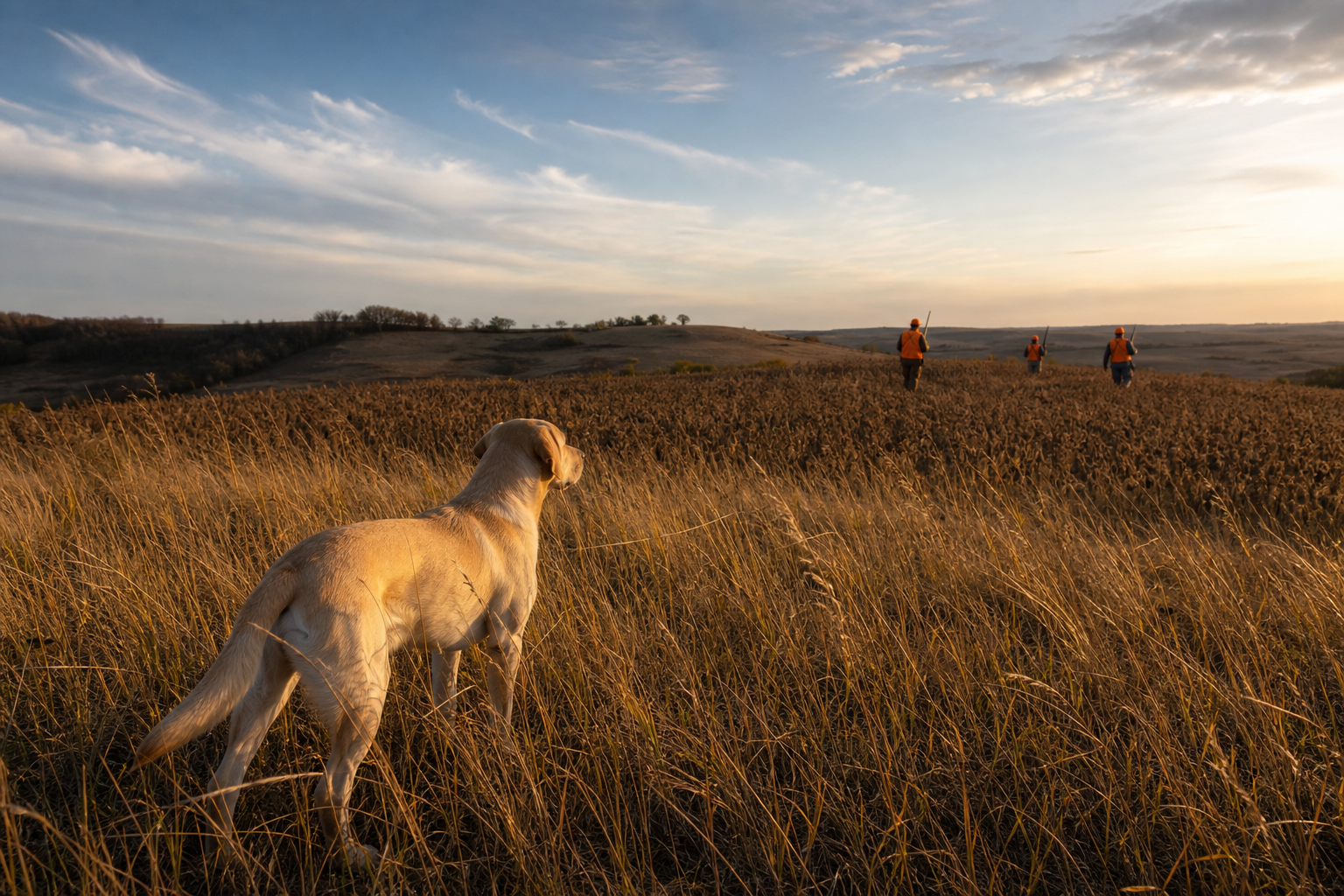
### Positioning Blockers: Distance, Wind, and Concealment In late-season pheasant hunting, the blockers carry the heavy burden. Because winter birds are prone to running ahead and flushing long before walkers arrive, well-placed blockers earn a majority of the clean shots.
``` [ WIND DIRECTION: SOUTH TO NORTH ]
[ BLOCKER 1 ] [ BLOCKER 2 ] (Concealed at end of cover) ^ | =================== HEAVY CATTAIL SLOUGH =================== ^ | [ FLANKER ] [ DOG & WALKER ] [ FLANKER ] ^ | [ APPROACH ] ```
Blockers must slip into position quietly without being seen by birds inside the cover. Use terrain contours, low-lying drainage ditches, or fence lines to mask your movement. Never stand out in the open at the edge of a field; press your back against a large round bale, kneel in high weed cover, or utilize tree trunks to break up your outline.
Blockers must also be positioned far enough off the cover edge to allow for safe, clear quartering shots as birds skyward above the tree line or cattail margin.
### Slow-Paced Walking and the 'Pause-and-Hold' Technique When driving heavy winter cover, fast walking plays directly into the birds' hand. Roosters will simply outrun you, staying thirty yards ahead in the thick brush until they reach the end of the push and burst out out of range.
Instead, adopt a painfully slow, erratic pace. Walk ten steps, stop completely for thirty seconds, and remain motionless. Educated roosters holding tight in dense cover rely on hearing you move past them. When you stop directly adjacent to their hiding spot, their nerves wear thin. They assume they have been spotted by a predator, panicking into a vertical escape flush right at your feet.
Running Gun Dogs in Cold Weather and Deep Cover
Winter puts immense physical demands on gun dogs. Sub-zero temperatures, crusted ice, dense cattails, and dry prairie air challenge even the heartiest retrievers. Successfully hunting late-season roosters requires adapting how you manage and deploy your canine partners.
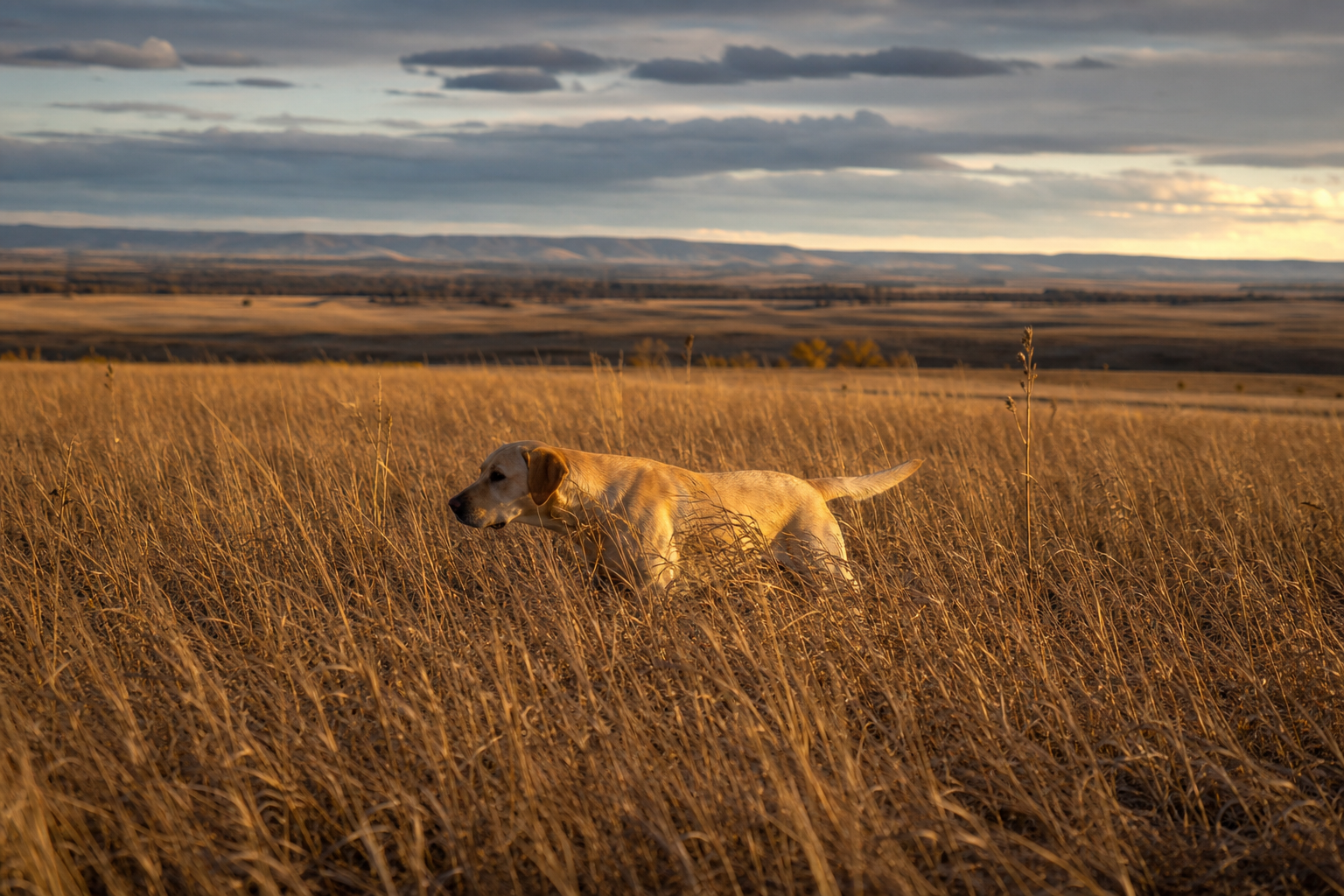
### Working British Labradors in Cold Conditions At Coteau View Kennels, where we raise and train British-line Labrador retrievers, our focus is entirely on capability, scenting power, and bird sense. Late-season hunting highlights exactly why British Labradors are so prized in the upper Midwest.
British Labs are renowned for their calm, methodical hunting style and tight quartering nature. In deep, frozen cattails, a hard-charging, wide-ranging dog will blow birds out of the far end of the cover before shooters can get into position. A methodical, close-working retriever works the thick cover methodically, unraveling complex foot scent without driving birds into a panic prematurely.
Their dense, water-repellent double coats and strong build give them the stamina required to break through crusted snow and thick ice-choked sloughs all day without burning out.
### Scent Dynamics in Sub-Zero Air and Dry Snow Cold weather presents unique physiological challenges for a dog's nose. Sub-zero air holds very little moisture, which can dry out a dog’s nasal passages and severely limit their scent-processing ability. Furthermore, when scent molecules land on powdery snow, they can freeze rapidly, locking scent in place rather than letting it bloom through the air.
To help your dogs succeed in winter scent conditions:
* Target Damp Zones: Focus on areas where micro-moisture accumulates, such as low-lying sloughs, sheltered coulees, and the sunny edges of melting snow drifts. * Keep Dogs Hydrated: Dogs lose significant moisture through respiration while running in cold, dry air. Never assume your dog doesn't need water just because it's cold. Provide lukewarm water frequently throughout the day. * Watch the Wind Direction: Always structure your drives so dogs are hunting crosswind or directly into the wind whenever possible, allowing them to catch airborne body scent before birds take foot.
### Winter Dog Safety and Care Checklist Protecting your dogs from cold-weather injuries ensures they stay healthy and eager to work throughout the entire late season.
| Focus Area | Potential Risk | Prevention & Care Strategy | | :--- | :--- | :--- | | Paws & Pads | Ice balling between toes, pad tears on sharp snow crust | Trim hair between toes short; apply paw wax or heavy-duty cordura boots before turn-out. | | Core Body Temp | Hypothermia from breaking ice or wet sloughs | Equip dogs with fitted 5mm neoprene hunting vests; dry them thoroughly immediately after every drive. | | Tail Tips | Cracking and bleeding against rigid cattail stalks | Apply protective tape or moisturizing tail salves; keep tail tips clean and dry post-hunt. | | Eyes | Scratches from brittle, frozen brush and seeds | Flush eyes with sterile saline solution at the end of each hunting day to remove debris. |
Shooting Adjustments for Winter Pheasant Hunting
Taking down a late-season South Dakota rooster is considerably harder than killing an early-October bird. Winter roosters are fully feathered with dense, heavy down to protect against prairie blizzards, and they carry thick layers of body fat. Add to that the fact that shots are frequently taken at 35 to 45 yards in stiff wind, and early-season light loads simply won't cut it.
### Choke and Shot Size Tweaks for Heavy Feathers and Wind Leave your light target loads and open chokes at home when heading out for late-season guided pheasant hunts. To consistently fold tough winter birds, you need knockdown power and dense pattern retention at extended distances.
* Shot Size: Upgrade from #6 shot to high-velocity #4 lead shot (or #2 or #3 in high-density non-toxic alternatives like bismuth or tungsten). Large shot sizes retain energy far better downrange and easily penetrate dense winter feathering and tough wing bones. * Choke Selection: Move up from Improved Cylinder to Modified or Improved Modified tight chokes. Because winter shots are typically taken at longer distances, you need a choke that keeps your pattern dense out to 40+ yards. * Velocity Matters: Opt for premium loads pushing 1,350 to 1,500 feet per second. High-velocity loads reduce the required lead on fast-flying birds crossing in prairie crosswinds.
### Lead and Swing Adjustments on Cold-Weather Birds Late-season pheasants flushing into a tailwind move exponentially faster than most hunters realize. A rooster catching a 25-mph prairie gale can easily hit ground speeds exceeding 50 miles per hour.
Most missed birds in December are shot behind. The combination of thick winter hunting jackets restricting swing speed and fast-moving birds leads hunters to stop their barrel during the trigger pull. Focus on these three mechanics:
- Mount Cleanly: Practice mounting your shotgun while wearing your heavy winter coat before hitting the field. Ensure the buttstock doesn't snag on armpit fabric.
- Exaggerate Lead: On 40-yard crossing birds in high wind, give the bird a generous three-to-four-foot lead.
- Follow Through: Maintain barrel acceleration through the trigger pull and continue your swing after the shot breaks.
Gear and Clothing Strategies for Deep-Winter Comfort
Staying warm on the South Dakota prairie is not just about comfort—it directly affects your shooting accuracy and endurance. If you are shivering, your fine motor skills deteriorate, your reaction times slow down, and your hunt becomes a chore rather than a pleasure.
### The Prairie Layering System The secret to cold-weather hunting lies in managing moisture. Walking through deep snow or heavy cattails generates substantial body heat, leading to sweat. If that sweat remains against your skin, it cools rapidly when you stand still as a blocker, leading to severe chills.
* Base Layer: Next-to-skin moisture-wicking synthetic or high-weight Merino wool base layers. Avoid cotton completely. * Mid-Layer: Insulating fleece or lightweight active insulation jacket that traps warm air while remaining breathable. * Outer Shell: Windproof, water-resistant brush jacket featuring high-visibility blaze orange. Look for garments with underarm zipper vents to dump heat during heavy walks.
### Footwear for Deep Snow and Frozen Hummocks Walking over frozen, uneven cattail hummocks and deep snow drifts requires stiff ankle support and high thermal insulation. Choose boots rated for at least 800 to 1,200 grams of Thinsulate insulation, paired with waterproof Gore-Tex linings. Gaiters are essential for deep snow, preventing snow from packing down into your boot tops and soaking your wool socks.
Post-Hunt Care: Guns, Gear, and Dogs After a Cold Prairie Day
When the afternoon sun dips below the horizon and the temperature plunges toward single digits, proper care for your equipment and working dogs ensures everyone is ready for the next day's hunt.
### Managing Gun Condensation Bringing a frozen shotgun directly from -5°F outside air into a 70°F heated lodge creates instant condensation. Droplets of water will coat every metal surface, including deep inside the receiver action and trigger assembly, leading to rapid rust formation.
To prevent condensation damage:
- Leave Shotguns in Cases: Keep your uncocked, unloaded shotguns inside their soft or hard gun cases before bringing them indoors. Allow the gun to warm up gradually inside the insulated case over two to three hours.
- Wipe Down Thoroughly: Once the gun reaches room temperature, remove it from the case, wipe down all metal surfaces with a silicone cloth, and clean/lightly oil the barrel and action.
- Avoid Over-Oiling: In sub-zero weather, heavy oil or grease inside an action turns into a sticky sludge that can cause firing pins to stick. Use dry lubricants or ultra-light synthetic gun oils rated for sub-zero temperatures.
### Post-Hunt Dog Recovery Routine Your dogs work twice as hard in winter conditions. As soon as you return from the field, give your dogs dedicated attention:
* Dry Off Completely: Towel dry their coat and belly thoroughly, paying close attention to icy buildup between pad toes and around their legs. * Inspect for Injury: Check eyes for weed seeds, inspect pads for cuts or ice burns, and verify tail tips are intact. * Provide Warm Shelter: Ensure dogs rest in warm, draft-free kennels with dry bedding. Increase their daily food ration by 20–30% to replenish calories burned maintaining body heat in extreme cold.
Experience Late-Season South Dakota Pheasant Hunting at Coteau View Hunts
There is nothing quite like late-season pheasant hunting in South Dakota. The quiet beauty of the snow-covered prairie, the roar of a hundred wild roosters exploding from a frozen cattail slough, and the satisfying sight of a well-trained British Labrador tracking through deep cover create memories that last a lifetime.
At Coteau View Hunts, we specialize in offering authentic, world-class pheasant hunting experiences throughout the entire South Dakota season. Located near Conde in Spink County—nestled in the fertile James River lowlands just beneath the Coteau des Prairies—our family-run operation combines incredible wildlife habitat, expert guiding, and unmatched prairie hospitality.
When you hunt with us, you'll enjoy:
* Prime Private Habitat: Carefully managed food plots, dense cattail sloughs, multi-row shelterbelts, and wild prairie tracts tailored for both wild and preserve hunts. * Exceptional Gun Dogs: World-class British-line Labrador retrievers raised and trained right here through Coteau View Kennels ("we don't breed for color, we breed for capability"). * All-Inclusive Lodging: A spacious private lodge with a comfortable great room to warm up by the fire after a day in the field, accompanied by hearty, home-cooked meals. * Year-Round Amenities: Unwind between hunts or during downtime at our private 4-acre stocked fishing pond. * Tailored Group Experience: Flexible packages built to host small family outings, friend trips, or corporate group hunts.
Whether you are looking to challenge yourself against battle-tested December roosters or enjoy prime upland hunting in comfort, our family is ready to welcome you to the farm.
Ready to plan your South Dakota pheasant hunt? Contact Coteau View Hunts today to check availability, discuss late-season openings, or reserve your lodge stay.
* Phone: 605.395.7788 * Email: info@coteauviewhunts.com * Location: Conde, South Dakota (Spink County)
Ready to hunt this country?
We guide wild-bird pheasant hunts on private South Dakota ground. Check open dates or call the lodge at 605.395.7788.